
The Essential Guide to Hurricane and Storm Damage Claims
The Essential Guide to Hurricane and Storm Damage Claims
Storms and hurricanes cause sudden and extensive damage, but Yes Adjusting can provide clarity during this stressful time. Understanding how hurricane and storm damage claims work can help you stay organized, avoid delays, and pursue a fair outcome with your insurance provider.
Understanding Hurricane and Storm Damage Risks
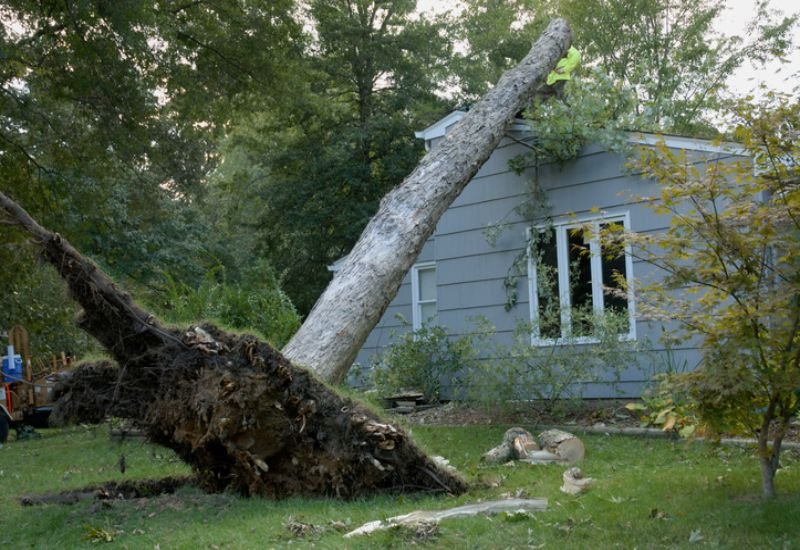
Florida properties face risks during hurricane season, from high winds and flying debris to flooding and structural damage. These events often lead to complex hurricane property damage claims with multiple types of loss. Storm and hurricane insurance claims may include roof damage, water intrusion, broken windows, and fire hazards caused by electrical issues. Recognizing the potential scope of damage helps you prepare for prevention and recovery..
Reviewing Your Insurance Policy Before Hurricane Season
Preparing for hurricane and storm damage claims starts before a storm arrives. Reviewing your policy allows you to understand your home insurance hurricane coverage and identify any limitations or exclusions. Pay attention to deductibles as well as coverage for flood damage, which may require a separate policy. Knowing how hurricane damage claims work within your policy helps prevent confusion when it is time to file.
Documenting Your Property Before and After the Storm
Accurate documentation is one of the most important parts of the hurricane insurance claim process. Having clear records of your property's condition before a storm makes it easier to demonstrate the extent of damage afterward. This information supports your claim and ensures that all losses are accounted for. Before and after a storm, gather this information:
Photos and videos of your home's exterior and interior
Records of valuable items and major systems
Receipts or documentation for repairs and upgrades
Steps to Filing a Hurricane or Storm Damage Insurance Claim
Filing a hurricane insurance claim involves several steps, and acting quickly while maintaining documentation is key. Understanding how hurricane damage claims work at each stage allows you to respond effectively to requests from your insurer. The hurricane insurance claim process includes:
Reporting the damage to your insurance company as soon as possible
Scheduling an inspection to assess the extent of the damage
Providing detailed documentation and supporting evidence
Reviewing the insurance company's estimate and settlement offer
Understanding Coverage for Common Types of Storm Damage
Not all damage is treated equally under an insurance policy. Home insurance hurricane coverage often includes wind-related damage but may exclude flooding. Because hurricane and storm damage claims can involve multiple types of damage, it is important to review how each is categorized under your coverage. Common types of covered damage may include roof leaks, structural damage, and water intrusion from storm-driven rain. However, flooding caused by rising water may fall outside standard policies.
Common Challenges Homeowners Face With Hurricane Damage Claims
Many property owners encounter difficulties during the claims process, especially for large-scale storm events. High claim volumes and complex damage assessments can slow progress, and these issues can complicate hurricane property damage claims and make it hard to reach a fair resolution without professional guidance. Common challenges include:
Disputes over the cause or extent of damage
Delayed inspections or claim processing
Underpaid or denied claims
Difficulty interpreting policy language
Legal and Financial Preparedness for Hurricane Claims
Being prepared makes a difference when handling storm and hurricane insurance claims. Understanding your rights as a policyholder and maintaining organized records strengthens your position during negotiations. Financial preparedness includes planning for deductibles and potential out-of-pocket expenses.
Keep copies of your policy, correspondence with your insurer, and all documentation related to your claim. Staying organized ensures that you can respond quickly to requests and address any discrepancies.
When to Seek Professional or Legal Help for Your Claim
Some hurricane and storm damage claims may require professional assistance. If your claim is complex, delayed, or disputed, working with an experienced public adjuster can provide support. A public adjuster can guide you through the hurricane insurance claim process and make sure that your claim is handled accurately. Seek help if:
Your claim has been denied or underpaid.
The damage is extensive or involves multiple areas of your property.
You are unsure how to document or present your losses.
Communication with your insurance company becomes difficult.
Why Choose Yes Adjusting
Yes Adjusting is licensed, bonded, and insured, and has been serving Florida since 2015, providing property owners with reliable representation during the claims process. We offer free claim reviews and specialize in storm and hurricane damage, water and flood damage, roof leaks and collapse, burst pipes and water intrusion, fire and smoke damage, and denied or underpaid claims. We focus on detailed documentation, clear communication, and consistent support.
Frequently Asked Questions
-
Hurricane claims involve multiple types of damage and may include specific deductibles or coverage limitations.
-
Document the damage, take steps to prevent further loss, and contact your insurance company to begin the claims process.
-
Most policies do not cover flooding caused by rising water. A separate flood insurance policy is typically required.
-
The timeline can vary depending on the severity of the damage, the number of claims in your area, and how quickly documentation is provided.
-
Yes, professional assistance can review your claim, identify discrepancies, and negotiate with your insurance company.
Contact Yes Adjusting Today
Are you dealing with hurricane or storm damage? Contact Yes Adjusting in Flagler Beach, FL, for a free claim review, and let us help you with your hurricane and storm damage claim.