
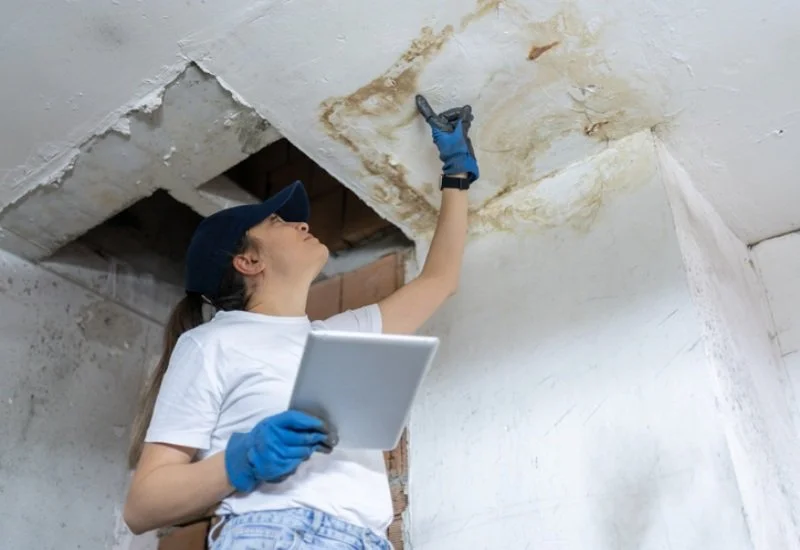
How to Find the Right Public Adjuster
When property damage disrupts your home or business, navigating an insurance claim can be overwhelming. At Yes Adjusting, we work with policyholders to simplify the claims process and advocate for fair settlements. Knowing how to find the right public adjuster can make a difference in the outcome of your claim and the speed at which it is resolved.
How to Find the Right Public Adjuster
When property damage disrupts your home or business, navigating an insurance claim can be overwhelming. At Yes Adjusting, we work with policyholders to simplify the claims process and advocate for fair settlements. Knowing how to find the right public adjuster can make a difference in the outcome of your claim and the speed at which it is resolved.
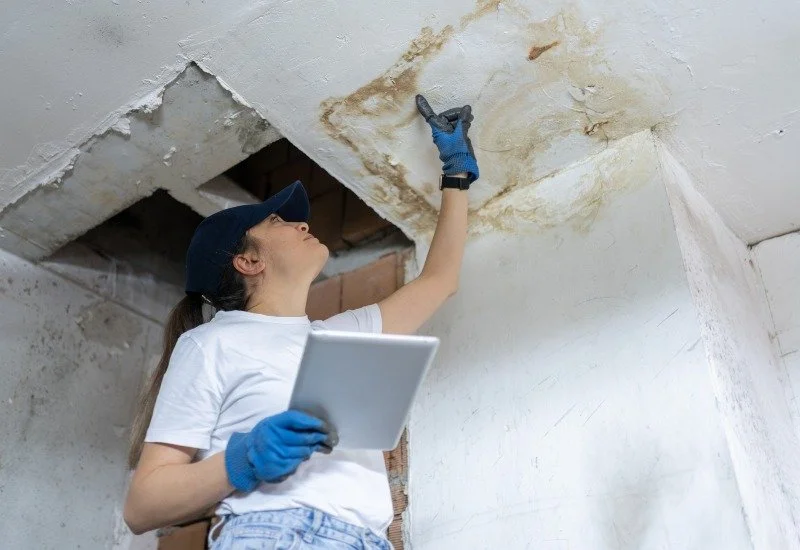
Understand What a Public Adjuster Does
A public adjuster for insurance claims represents you, not the insurance company. We evaluate damage, interpret your policy, document losses, and negotiate with insurers to secure a proper settlement. Unlike company adjusters who work for the insurance provider, a public adjuster for property damage protects your interests.
Understanding this distinction is critical when deciding how to choose a public adjuster. You want someone who will advocate for you, ensuring nothing is overlooked or undervalued. Our role includes everything from initial inspection to final negotiation, giving you a single point of contact and consistent support.
Look for a Licensed and Qualified Public Adjuster
When you find a qualified public adjuster, verifying credentials should be one of your first steps. A licensed public adjuster must meet specific public adjuster requirements set by the state of Florida. Yes Adjusting is licensed, bonded, and insured, and has been serving Florida since 2015. We operate within legal standards and follow ethical practices. Hiring someone who meets all public adjuster requirements protects you from issues during your claim.
Check Their Experience With Your Type of Property Damage
Experience matters when dealing with different types of damage. Whether your situation involves storm and hurricane damage, water and flood damage, roof leaks and collapse, burst pipes and water intrusion, fire and smoke damage, or denied or underpaid claims, it is important to work with a public adjuster who understands the specifics.
Ask about past cases similar to yours. Experience in handling your type of claim means the adjuster will know what to look for, how to document damages, and how to negotiate with insurers.
Evaluate Professionalism and Communication Style
You should feel that your concerns are heard and your questions are answered clearly. A professional public adjuster will keep you informed and explain complex insurance language. When considering how to choose a public adjuster, pay attention to responsiveness and clarity. Communication prevents misunderstandings and ensures that you know where your claim stands.
Review Fees and Contract Terms Carefully
Public adjusters typically work on a contingency basis, meaning they are paid a percentage of the settlement. While this can be beneficial, review all contract terms carefully before signing. Take time to understand:
How fees are calculated
What services are included
Additional costs that may arise
Research Reputation, Reviews, and Client Feedback
A strong reputation can provide insight into what you can expect from a public adjuster. Reviews and testimonials often highlight strengths such as communication, efficiency, and success in negotiating claims. When you are trying to find a qualified public adjuster, consider:
Online reviews and ratings
Referrals from friends or neighbors
Claim outcomes and service quality
Confirm Availability and Response Times
Delays in inspection or documentation can affect the outcome of your claim. Make sure the public adjuster you choose responds quickly and begins work promptly. Ask about their current workload and how soon they can start. A responsive adjuster will prioritize your claim and maintain steady progress.
Ensure They Offer Full Claim Support From Start to Finish
Handling an insurance claim involves multiple steps. Working with a public adjuster who offers full support ensures continuity and reduces stress. A comprehensive approach includes:
Property inspection and damage documentation
Policy review and coverage analysis
Communication with the insurance company
Negotiation and settlement support
Why Choose Yes Adjusting
Yes Adjusting brings experience and an understanding of Florida insurance policies to every case. We make the process straightforward while helping you pursue a fair and accurate settlement. We offer:
Licensed, bonded, and insured services
Service across Florida since 2015
Free claim review
Expertise in a range of property damage claims
Frequently Asked Questions
-
A public adjuster evaluates property damage, reviews your policy, documents losses, and negotiates with your insurance company to secure a fair settlement.
-
If your claim is complex, involves significant damage, or has been denied or underpaid, working with a public adjuster ensures your claim is handled properly.
-
Look for proper licensing, relevant experience, clear communication, transparent fees, and a strong reputation.
-
Because they typically work on contingency, they are motivated to maximize your settlement. Many policyholders find the increased payout outweighs the fee.
-
A responsive adjuster should be able to begin promptly and guide you through the process without delays.
Call Today to Find a Qualified Public Adjuster
Are you dealing with property damage and need help navigating your insurance claim? Yes Adjusting in Flagler Beach, FL, can help. Contact us today for a free claim review.
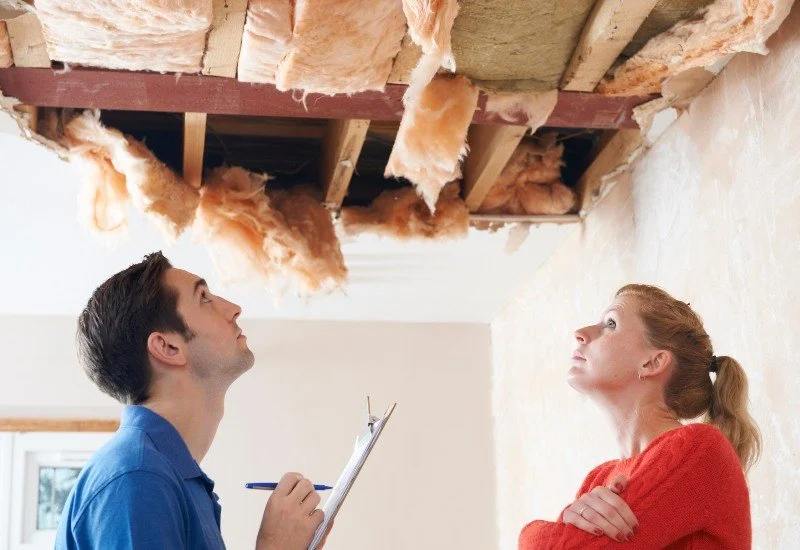
Understanding Key Differences Between an Independent and Public Adjuster
Filing an insurance claim introduces unfamiliar roles and terminology, which can make the process hard to manage. Yes Adjusting gives property owners a clearer understanding of how claims are handled and who represents their interests. Knowing the difference between an independent and public adjuster is essential when deciding how to move forward with a claim.
Understanding Key Differences Between an Independent and Public Adjuster
Filing an insurance claim introduces unfamiliar roles and terminology, which can make the process hard to manage. Yes Adjusting gives property owners a clearer understanding of how claims are handled and who represents their interests. Knowing the difference between an independent and public adjuster is essential when deciding how to move forward with a claim.
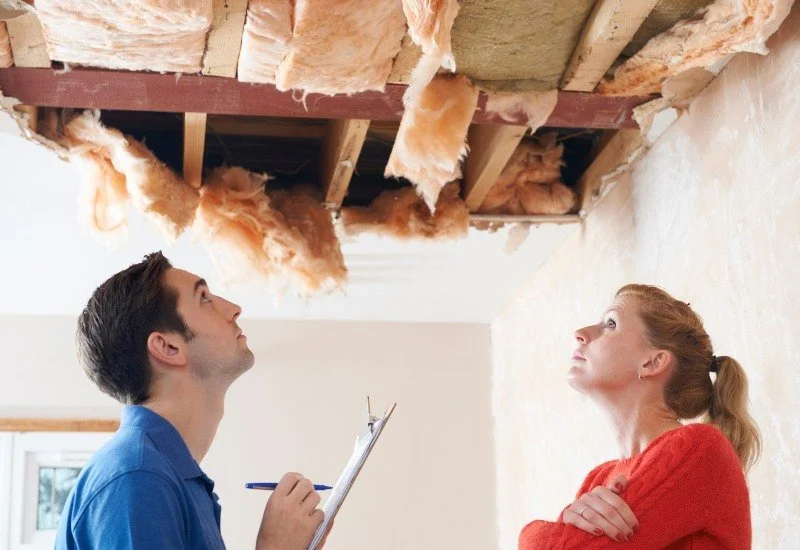
What Is an Independent Adjuster vs. Public Adjuster?
An independent insurance adjuster is hired by an insurance company to assess damage and determine the value of a claim on behalf of the insurer. A public adjuster for insurance claims is hired by the policyholder to represent their interests and advocate for a fair settlement. This distinction is the foundation of any insurance claim adjuster comparison. Both inspect damage and review documentation, but their responsibilities and priorities differ.
Who They Work For and Their Purpose
The most important difference between independent and public adjuster services is who they represent. This affects how your claim is evaluated and negotiated. Here’s a breakdown of their responsibilities:
An independent insurance adjuster works for the insurance company and evaluates claims from the insurer's perspective.
A public adjuster for insurance claims works for the policyholder and advocates for maximum compensation based on the policy.
This difference shapes every aspect of the claims process. An independent adjuster focuses on protecting the insurance company's financial interests, while a public adjuster focuses on ensuring your claim reflects the full extent of your loss.
How They Are Paid (Fee Structure & Motivation)
Independent adjusters are paid by insurance companies, and their compensation does not depend on the outcome of your claim. Public adjusters work on a contingency fee basis, meaning payment is a percentage of the final settlement. This creates a direct incentive to pursue the most accurate and complete claim possible.
When comparing types of insurance adjusters, this difference is important. A public adjuster's success is tied to your settlement, while an independent adjuster's role is tied to fulfilling the insurer's requirements.
Scope of Work and Claim Involvement
Independent adjusters conduct inspections, prepare reports, and submit their findings to the insurance company. A public adjuster provides a broader range of services. Their role includes documenting damage, reviewing your insurance policy, managing communication with the insurer, and negotiating the final settlement. This expanded scope means you have consistent representation from start to finish.
Conflicts of Interest and Claim Bias
One of the most discussed aspects of the independent adjuster vs. public adjuster debate is the potential for bias. Because independent adjusters are hired by insurance companies, their evaluations may reflect the insurer's perspective. Public adjusters work exclusively for policyholders, which removes that conflict of interest. Their responsibility is to present your claim accurately and advocate for your position. This difference between independent and public adjuster roles is why many policyholders choose independent representation.
Licensing Requirements and Qualifications
Both independent and public adjusters must meet licensing standards. In Florida, adjusters must complete education, pass exams, and maintain compliance with state regulations. When evaluating types of insurance adjusters, verifying credentials is essential. Proper licensing demonstrates knowledge of policies, claims procedures, and legal responsibilities.
Yes Adjusting is a licensed public adjuster, as well as bonded and insured, and we have been serving Florida since 2015. Meeting public adjuster requirements ensures that we operate professionally and in accordance with state guidelines.
When You Should Use Each Type of Adjuster
Choosing between an independent and public adjuster depends on your situation. Independent adjusters are assigned by insurance companies, but you have the option to hire a public adjuster if you want representation focused on your interests. In certain scenarios, working with a public adjuster for insurance claims can be especially helpful:
Property damage from storms, hurricanes, or flooding
Claims involving fire, smoke, or structural issues, such as roof collapse
Situations where a claim has been denied or underpaid
Claims involving multiple types of damage or policy interpretations
Which Option Is Best for Insurance Claimants?
For most policyholders, the decision comes down to representation and control. Independent adjusters are not there to advocate for you. A public adjuster is an experienced professional who works on your behalf. This is valuable when dealing with detailed documentation, negotiations, and ensuring that no part of your claim is overlooked. An insurance claim adjuster comparison highlights that policyholders benefit from having someone dedicated to their claim. The added support can lead to a more accurate evaluation.
Why Choose Yes Adjusting
Selecting the right public adjuster means choosing a team that understands the technical and practical aspects of insurance claims. Yes Adjusting brings experience, attention to detail, and a commitment to representing our clients. We offer:
Licensed, bonded, and insured services
Service throughout Florida since 2015
Free claim review
Experience with storm and hurricane damage, water and flood damage, roof leaks and collapse, burst pipes and water intrusion, fire and smoke damage, and denied or underpaid claims
Frequently Asked Questions
-
The main difference is who they represent. Independent adjusters work for insurance companies. Public adjusters represent policyholders.
-
Yes, you can hire a public adjuster to represent your interests, even if an independent adjuster has evaluated your claim.
-
Yes, both independent and public adjusters must meet licensing requirements set by the state.
-
Yes, public adjusters can assist with a wide range of claims, including storm damage, water damage, fire damage, and disputed claims.
-
It depends on the complexity of the claim. For larger or more complicated losses, a public adjuster can provide additional support and advocacy.
Contact Yes Adjusting Today
If you are comparing types of insurance adjusters and want representation focused on your claim, contact Yes Adjusting in Flagler Beach, FL, for a free claim review. Let us assist you in navigating the claims process.
The Essential Guide to Hurricane and Storm Damage Claims
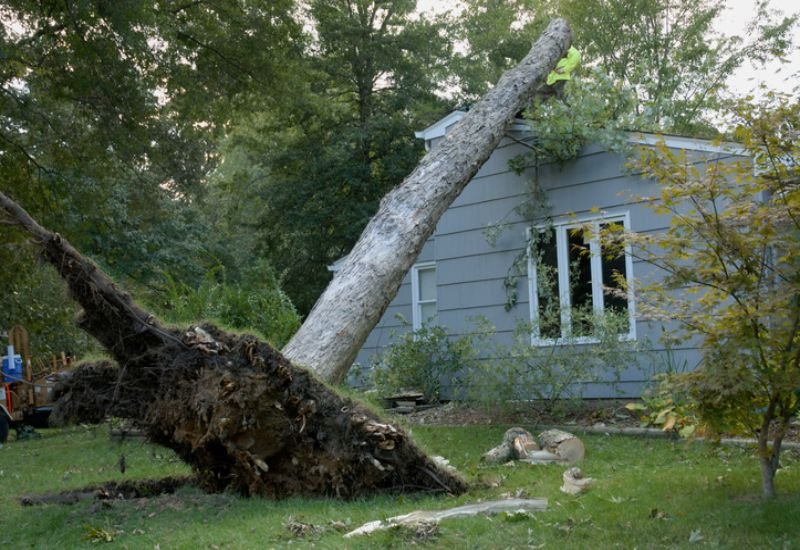
Florida properties face risks during hurricane season, from high winds and flying debris to flooding and structural damage. These events often lead to complex hurricane property damage claims with multiple types of loss. Storm and hurricane insurance claims may include roof damage, water intrusion, broken windows, and fire hazards caused by electrical issues. Recognizing the potential scope of damage helps you prepare for prevention and recovery.
The Essential Guide to Hurricane and Storm Damage Claims
Storms and hurricanes cause sudden and extensive damage, but Yes Adjusting can provide clarity during this stressful time. Understanding how hurricane and storm damage claims work can help you stay organized, avoid delays, and pursue a fair outcome with your insurance provider.
Understanding Hurricane and Storm Damage Risks
Florida properties face risks during hurricane season, from high winds and flying debris to flooding and structural damage. These events often lead to complex hurricane property damage claims with multiple types of loss. Storm and hurricane insurance claims may include roof damage, water intrusion, broken windows, and fire hazards caused by electrical issues. Recognizing the potential scope of damage helps you prepare for prevention and recovery..
Reviewing Your Insurance Policy Before Hurricane Season
Preparing for hurricane and storm damage claims starts before a storm arrives. Reviewing your policy allows you to understand your home insurance hurricane coverage and identify any limitations or exclusions. Pay attention to deductibles as well as coverage for flood damage, which may require a separate policy. Knowing how hurricane damage claims work within your policy helps prevent confusion when it is time to file.
Documenting Your Property Before and After the Storm
Accurate documentation is one of the most important parts of the hurricane insurance claim process. Having clear records of your property's condition before a storm makes it easier to demonstrate the extent of damage afterward. This information supports your claim and ensures that all losses are accounted for. Before and after a storm, gather this information:
Photos and videos of your home's exterior and interior
Records of valuable items and major systems
Receipts or documentation for repairs and upgrades
Steps to Filing a Hurricane or Storm Damage Insurance Claim
Filing a hurricane insurance claim involves several steps, and acting quickly while maintaining documentation is key. Understanding how hurricane damage claims work at each stage allows you to respond effectively to requests from your insurer. The hurricane insurance claim process includes:
Reporting the damage to your insurance company as soon as possible
Scheduling an inspection to assess the extent of the damage
Providing detailed documentation and supporting evidence
Reviewing the insurance company's estimate and settlement offer
Understanding Coverage for Common Types of Storm Damage
Not all damage is treated equally under an insurance policy. Home insurance hurricane coverage often includes wind-related damage but may exclude flooding. Because hurricane and storm damage claims can involve multiple types of damage, it is important to review how each is categorized under your coverage. Common types of covered damage may include roof leaks, structural damage, and water intrusion from storm-driven rain. However, flooding caused by rising water may fall outside standard policies.
Common Challenges Homeowners Face With Hurricane Damage Claims
Many property owners encounter difficulties during the claims process, especially for large-scale storm events. High claim volumes and complex damage assessments can slow progress, and these issues can complicate hurricane property damage claims and make it hard to reach a fair resolution without professional guidance. Common challenges include:
Disputes over the cause or extent of damage
Delayed inspections or claim processing
Underpaid or denied claims
Difficulty interpreting policy language
Legal and Financial Preparedness for Hurricane Claims
Being prepared makes a difference when handling storm and hurricane insurance claims. Understanding your rights as a policyholder and maintaining organized records strengthens your position during negotiations. Financial preparedness includes planning for deductibles and potential out-of-pocket expenses.
Keep copies of your policy, correspondence with your insurer, and all documentation related to your claim. Staying organized ensures that you can respond quickly to requests and address any discrepancies.
When to Seek Professional or Legal Help for Your Claim
Some hurricane and storm damage claims may require professional assistance. If your claim is complex, delayed, or disputed, working with an experienced public adjuster can provide support. A public adjuster can guide you through the hurricane insurance claim process and make sure that your claim is handled accurately. Seek help if:
Your claim has been denied or underpaid.
The damage is extensive or involves multiple areas of your property.
You are unsure how to document or present your losses.
Communication with your insurance company becomes difficult.
Why Choose Yes Adjusting
Yes Adjusting is licensed, bonded, and insured, and has been serving Florida since 2015, providing property owners with reliable representation during the claims process. We offer free claim reviews and specialize in storm and hurricane damage, water and flood damage, roof leaks and collapse, burst pipes and water intrusion, fire and smoke damage, and denied or underpaid claims. We focus on detailed documentation, clear communication, and consistent support.
Frequently Asked Questions
-
Hurricane claims involve multiple types of damage and may include specific deductibles or coverage limitations.
-
Document the damage, take steps to prevent further loss, and contact your insurance company to begin the claims process.
-
Most policies do not cover flooding caused by rising water. A separate flood insurance policy is typically required.
-
The timeline can vary depending on the severity of the damage, the number of claims in your area, and how quickly documentation is provided.
-
Yes, professional assistance can review your claim, identify discrepancies, and negotiate with your insurance company.
Contact Yes Adjusting Today
Are you dealing with hurricane or storm damage? Contact Yes Adjusting in Flagler Beach, FL, for a free claim review, and let us help you with your hurricane and storm damage claim.